Free Online Player
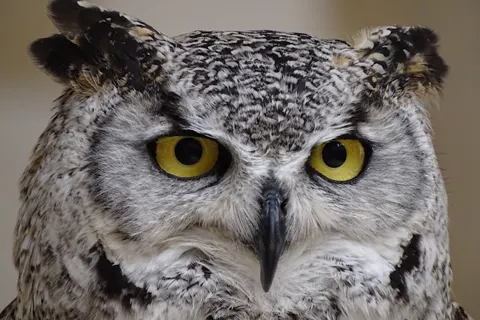
Owl
Owl is deep hoots inside a quiet night woodland, with enough silence around each call to put trees and distance between you and the bird. It is calmer than a busy dawn chorus and more eventful than wind or plain noise. Keep the owl well back in the woods for meditation, reading, or writing a night scene, and set a timer that leaves the quiet between hoots alone.
Ready to play
Put this under rain or a fire, keep the blend you end up with, and play it through the night with your screen off. The Slo app does that on iOS, Android and Mac.


How a hoot maps the night woods
Owls hoot to hold territory and to keep in contact. A deep call travels better through the dark and through trees, and repeating it lets another owl work out where the caller is. The echoes, and the way each hoot fades, tell you how far into the woods you are. A morning dove sounds hollow in a similar way, but a dove belongs to dawn, where owls are slower and come out at night. The long gaps keep the atmosphere, and they also mean this one covers almost nothing.
Nocturnal calm with distinct landmarks
A distant hoot gives meditation something to return to, and it adds depth to fiction and games. Some people sleep happily through the occasional night call, and others lie there waiting for the next one. Try a timer first, and pick crickets or mellow wind if you need something unbroken. Owl sound can set the scene you want, though it will not reliably relax you and it does nothing for sleep trouble that keeps coming back.
Keep the owl among distant trees
Play at a low speaker level; close loud hoots lose their woodland scale. In the sound mixer, put Night Crickets quietly beneath the owl or add mellow wind. The sleep soundscape guide explains how occasional calls can sit above something steady without startling you.
Frequently asked questions
Why do owls hoot?
Hoots commonly communicate territory or contact and carry well through woodland.
Is this a continuous sound?
No. Distinct hoots leave quiet space between calls.
Owl or dove?
Owl calls are nocturnal and slower; dove coos usually suggest dawn.
What mixes with an owl?
Quiet crickets or mellow wind can fill the gaps while preserving distance.